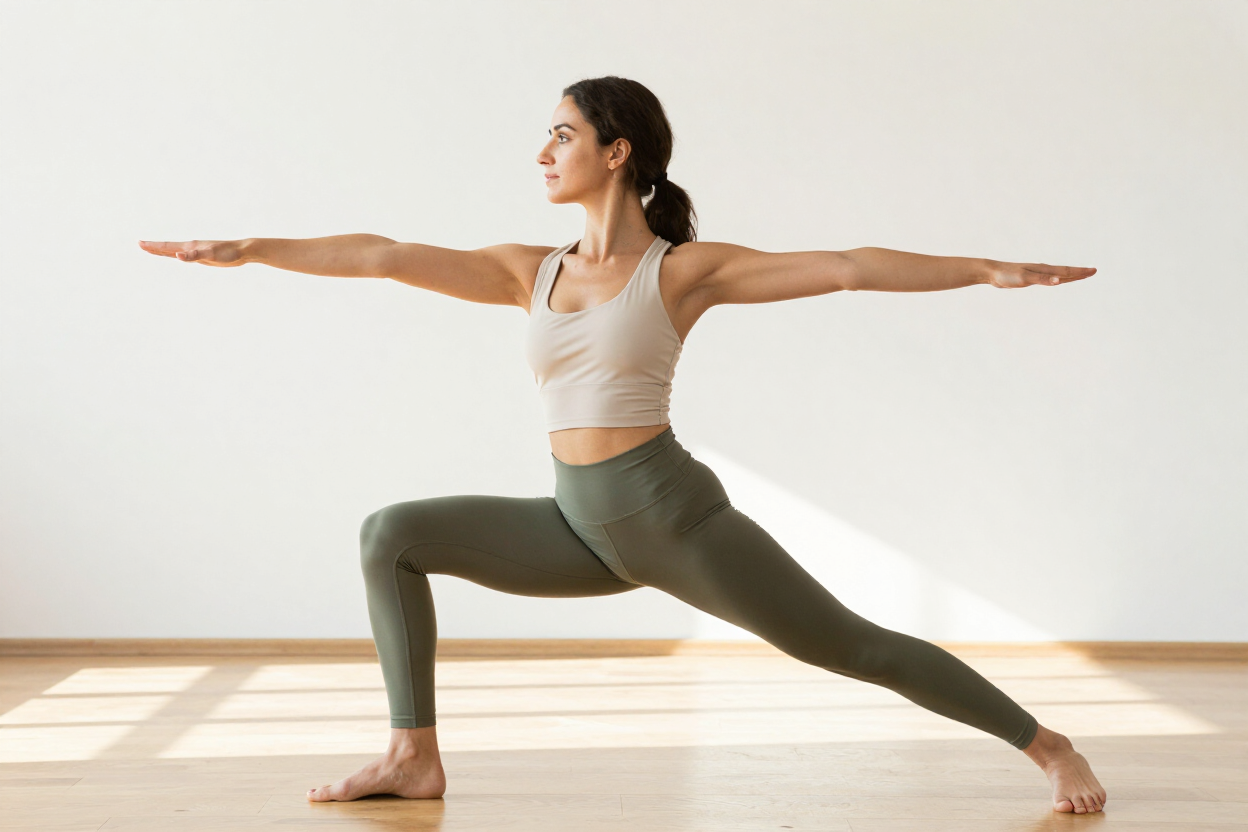
Is Yoga Nidra Certification Online Right for You?
This is a subtitle for your new post
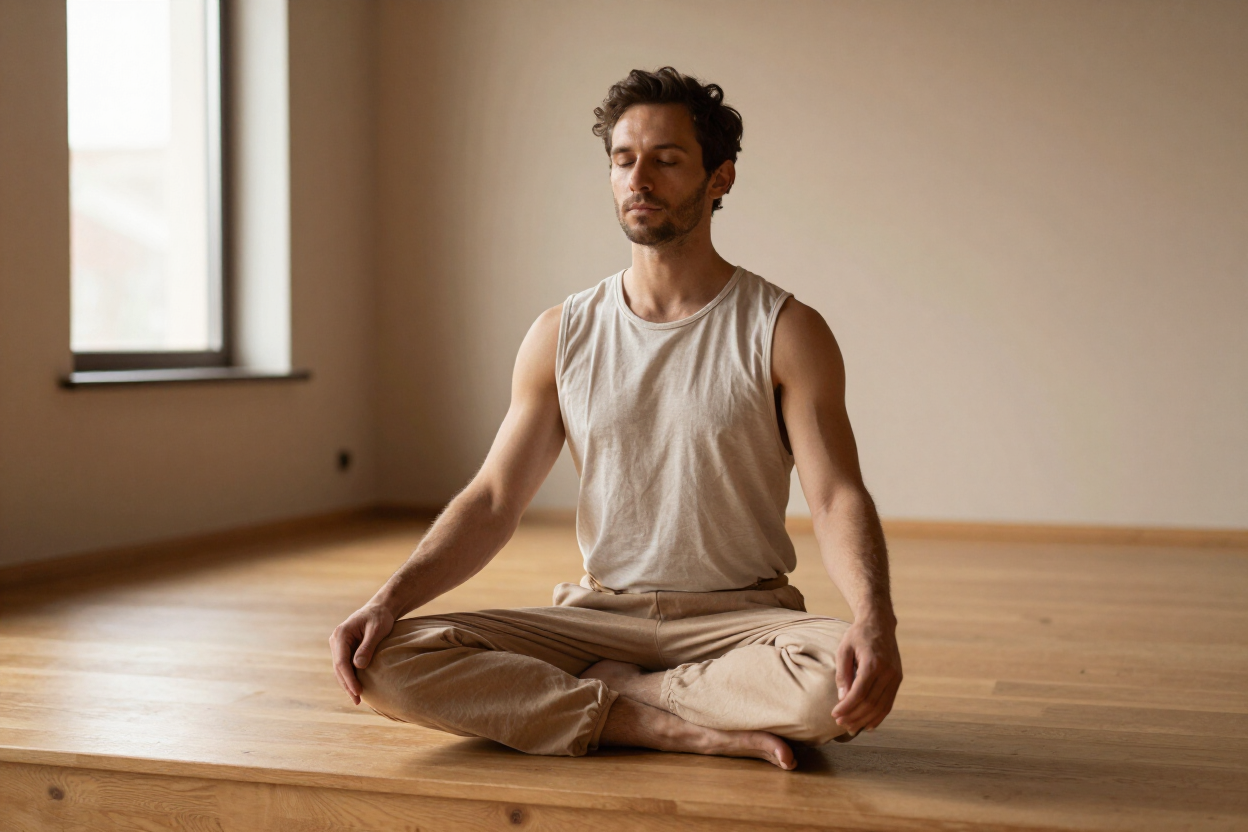
A yoga nidra certification online can be a meaningful next step when you want to guide rest with more skill, care, and confidence. But this work is not simply about learning a script or leading people into relaxation. Yoga Nidra can bring students into contact with stillness, sensation, memory, and emotion. The quality of your training matters because the way you hold that experience matters.
For many yoga teachers and wellness professionals, the question is not whether Yoga Nidra is valuable. They have felt its impact firsthand. The question is how to choose an online certification that honors both the depth of the practice and the real needs of the people they hope to serve.
What a Yoga Nidra Certification Online Should Teach
A thoughtful certification gives you more than a sequence of body scans, breath awareness, visualizations, and closing words. It helps you understand why each element is offered, how it may land differently for different students, and when a simpler approach is the wiser choice.
Yoga Nidra is often described as yogic sleep, but students do not need to fall asleep for the practice to be effective. At its heart, it is a guided practice of rest and awareness. A skilled teacher helps create conditions where people can notice their inner experience without being pushed to perform calmness, disclose personal history, or reach a particular state.
This distinction is especially important in trauma-aware teaching. Stillness does not feel safe for everyone. Closing the eyes, following an internal visualization, or being invited to scan the body can feel supportive for one person and activating for another. Quality training prepares you to offer choices, use invitational language, and respond with steadiness when a practice does not go as planned.
A certification should also help you develop your own relationship with Yoga Nidra. You cannot control another person's experience, and you do not need to have everything figured out to begin. Yet regular personal practice can strengthen your presence, pacing, and discernment in ways that memorizing a script cannot.
The Skills That Build Teaching Confidence
An online program should be clear about the practical skills you will leave with. While lineages and teaching methods differ, a well-rounded Yoga Nidra education commonly includes the foundations of the practice, its structure, ethics, and adaptable facilitation.
You may learn how to create a practice around an intention, sometimes called a sankalpa, without imposing a goal on students. You should also explore the role of breath, sensation, opposites, imagery, and spacious awareness. These are not just pieces to arrange in the same order every time. They are tools that require sensitivity to context and audience.
For example, a long visualization may be appropriate for a group that knows one another and has opted into a restorative workshop. A shorter, sensory-based practice may better support students after an active yoga class, clients in a wellness setting, or people who are new to guided rest. Teaching skill is the ability to make those choices with care.
Look for instruction on voice, pace, silence, and language. A calm voice alone does not make a teacher trauma-informed. The words you choose can preserve student autonomy or unintentionally take it away. Phrases such as “if it feels supportive” and “you might notice” can leave room for each student to remain the expert on their own body.
Just as valuable is feedback. In a small-group learning environment, you can practice guiding others, receive specific mentorship, and refine your approach before offering Yoga Nidra professionally. That process helps turn knowledge into confidence.
Can Online Training Offer Real Connection?
Online learning can be deeply personal when it is designed with intention. It allows students to learn from home, revisit material, and study alongside practitioners from many locations. For people balancing work, caregiving, teaching, or health needs, that flexibility can make certification possible.
At the same time, not every self-paced program provides the support needed for a relational practice. Pre-recorded lessons may be useful for learning terminology and structure, but they cannot fully replace live questions, practice teaching, and thoughtful feedback. If your goal is to guide others, choose a program with opportunities to be seen as a learner.
Before enrolling, ask how connection happens. Are there live sessions or office hours? Will you have a chance to ask questions about challenging teaching situations? Is there a community where you can continue learning after the certificate is complete? The answers can reveal whether a program is focused only on delivering content or on supporting your growth.
At Yoga Soul Wellness Center, Yoga Nidra education is approached as both a professional skill and a practice of grounded self-awareness. The aim is not to create teachers who sound identical. It is to help each person teach with clarity, compassion, and respect for the lived experiences students bring into the room.
Who Benefits From This Training?
Yoga Nidra certification can support aspiring yoga teachers, experienced instructors seeking continuing education, and practitioners who want to deepen their personal relationship with rest. It can also be a valuable complement for yoga therapists, bodyworkers, counselors, and wellness professionals, provided they stay within the scope of their professional role.
If you teach movement-based yoga, Yoga Nidra may help you offer students a more complete experience of rest and integration. If you already work in healing-centered spaces, it can expand your ability to guide a non-performative practice that does not require flexibility, strength, or a particular body type.
Still, certification is not a license to provide psychotherapy, diagnose trauma responses, or promise healing outcomes. Ethical training is honest about that boundary. It teaches you to recognize when a student may need additional support and to avoid positioning yourself as the answer to every need.
How to Choose a Program With Care
The phrase “certification” can mean different things across the yoga industry. There is no single universal standard for Yoga Nidra certification, so it helps to look beyond the number of hours or the polished promise of a completion certificate.
Start with the teacher's experience and approach. Do they have a clear educational background and a grounded way of speaking about the practice? Are they transparent about what the training includes, what it does not include, and how students are assessed?
Then consider the program's learning environment. A supportive course does not avoid challenge. Instead, it makes room for questions, uncertainty, and learning at a human pace. You should not have to override your own needs to become a better guide for others.
Ask whether the curriculum addresses these practical areas:
- Trauma awareness, consent, choice, and inclusive language
- Practice teaching with useful feedback from an experienced mentor
- Adaptations for different settings, bodies, and levels of familiarity
- Ethical scope, professional boundaries, and appropriate referrals
Finally, pay attention to what happens after certification. A certificate can mark a real accomplishment, but teachers often need continued practice and community as they begin leading others. Ongoing gatherings, peer connection, and access to guidance can make the transition from student to teacher feel far less isolating.
Let Your Teaching Grow at a Sustainable Pace
There is no need to rush into offering long classes or calling yourself an expert the moment training ends. You might begin by sharing a brief practice with a familiar group, adding a five-minute rest period to a class you already teach, or practicing with peers who can offer honest reflection.
Over time, your voice becomes more natural. You learn when to speak, when to pause, and when a student may benefit from a simple reminder that they are welcome to adjust, open their eyes, or choose another form of rest. This is how trust is built: not through perfection, but through consistent care.
The right training will leave you with a credential, certainly. More importantly, it can help you become a steadier presence for yourself and for the people who choose to practice with you. Start with the program that makes room for your questions, your values, and the kind of teacher you are becoming.
Recent Posts